One of the most common questions couples ask when planning their wedding is how many hours of wedding photography coverage they actually need.
And if I’m being real honest with you, the answer depends less on how many photos you want and more on the kind of experience you want to have.
As a Grand Rapids wedding photographer, I often hear couples say things like:
“Do we really need 10 hours?”
“Will 8 hours be enough?”
“What’s the actual difference?”
The reality is that the difference between 8 hours and 10 hours of wedding photography coverage is about so much more than the number of images delivered.
It’s about flexibility, breathing room, and creating a wedding day that feels relaxed and intentional rather than rushed from one moment to the next.
Let’s break down what each option typically looks like so you can decide what makes the most sense for your wedding day.
What 8 Hours of Wedding Photography Coverage Typically Looks Like
Eight hours of wedding photography coverage is often perfect for couples who are planning a streamlined wedding day with one primary location, minimal travel, and a timeline that focuses on the most important parts of the celebration.
For many couples, 8 hours provides plenty of time to document:
- Getting ready
- A first look
- Couple portraits
- Wedding party portraits
- Family portraits
- Ceremony
- Cocktail hour
- Reception events
- Golden hour portraits
A typical 8 hour wedding day timeline may look something like this:
- 1:00 PM Photographer Arrives
- 1:05 PM Getting Ready Coverage Begins
- 1:30 PM First Look
- 1:45 PM Couple & Individual Portraits
- 2:30 PM Wedding Party Portraits
- 3:00 PM Family Portraits
- 3:30 PM Relax Before Ceremony
- 4:00 PM Ceremony
- 4:30 PM Cocktail Hour
- 5:30 PM Grand Entrance
- 5:45 PM Speeches & Toasts
- 6:00 PM Dinner
- 7:00 PM Special Dances
- 7:15 PM Cake Cutting
- 7:30 PM Open Dance Floor
- 8:30 PM Golden Hour Portraits
- 9:00 PM Coverage Ends
This timeline works beautifully because it focuses on the major moments while still allowing space to breathe throughout the day.
For couples having a traditional wedding with a first look and limited travel, 8 hours is often the perfect amount of coverage.
When 8 Hours Might Feel Tight
While 8 hours works wonderfully for many weddings, there are situations where it can start to feel limiting.
You may want to consider additional coverage if you’re planning:
- Multiple getting ready locations
- Significant travel between venues
- A large wedding party
- A larger family photo list
- Extensive reception coverage
- No first look before the ceremony
- Cultural traditions or additional events throughout the day
Trying to fit all of those elements into 8 hours can sometimes create the exact timeline stress you’re trying to avoid.
And if you’ve read my other timeline blogs, you already know how strongly I believe in creating room to actually enjoy your wedding day.
What 10 Hours of Wedding Photography Coverage Typically Looks Like
Ten hours of wedding photography coverage allows for a slower pace and more complete storytelling throughout the day.
It is often ideal for couples who want additional getting ready coverage, more detail photographs, extra portrait time, multiple locations, or simply more flexibility built into their timeline.
A typical 10 hour wedding day timeline may look like this:
- 11:00 AM Photographer Arrives
- 11:05 AM Wedding Details
- 12:00 PM Getting Ready Coverage
- 1:00 PM First Look
- 1:15 PM Couple & Individual Portraits
- 2:00 PM Wedding Party Portraits
- 2:45 PM Family Portraits
- 3:30 PM Relax Before Ceremony
- 4:00 PM Ceremony
- 4:30 PM Cocktail Hour
- 5:30 PM Grand Entrance
- 5:45 PM Speeches & Toasts
- 6:00 PM Dinner
- 7:00 PM Special Dances
- 7:15 PM Cake Cutting
- 7:30 PM Open Dance Floor
- 8:30 PM Golden Hour Portraits
- 9:00 PM Coverage Ends
At first glance, these timelines may look almost identical.
But the biggest difference isn’t how the day ends.
It’s how the day begins.
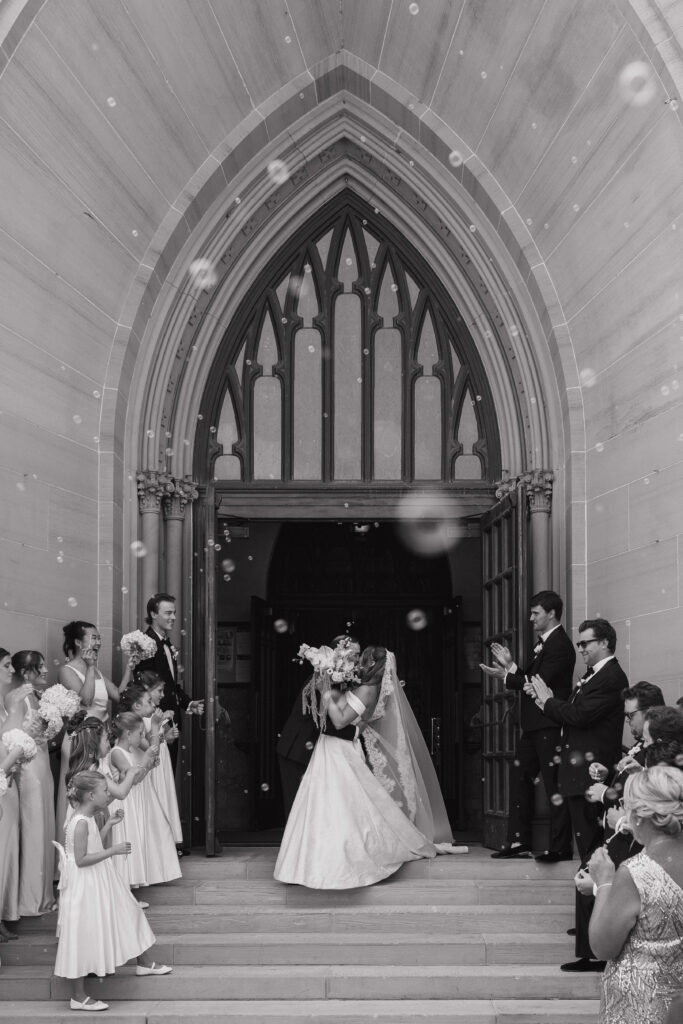
The Real Difference Between 8 Hours and 10 Hours
The extra two hours aren’t simply additional coverage.
They’re additional breathing room.
With 10 hours, you typically have more flexibility for:
- Slower, more relaxed getting ready coverage
- Additional detail photographs
- More time for portraits
- Travel between locations
- Unexpected delays
- Meaningful interactions throughout the day
Rather than rushing through getting ready, family photos, or portraits, there is space for the day to unfold naturally.
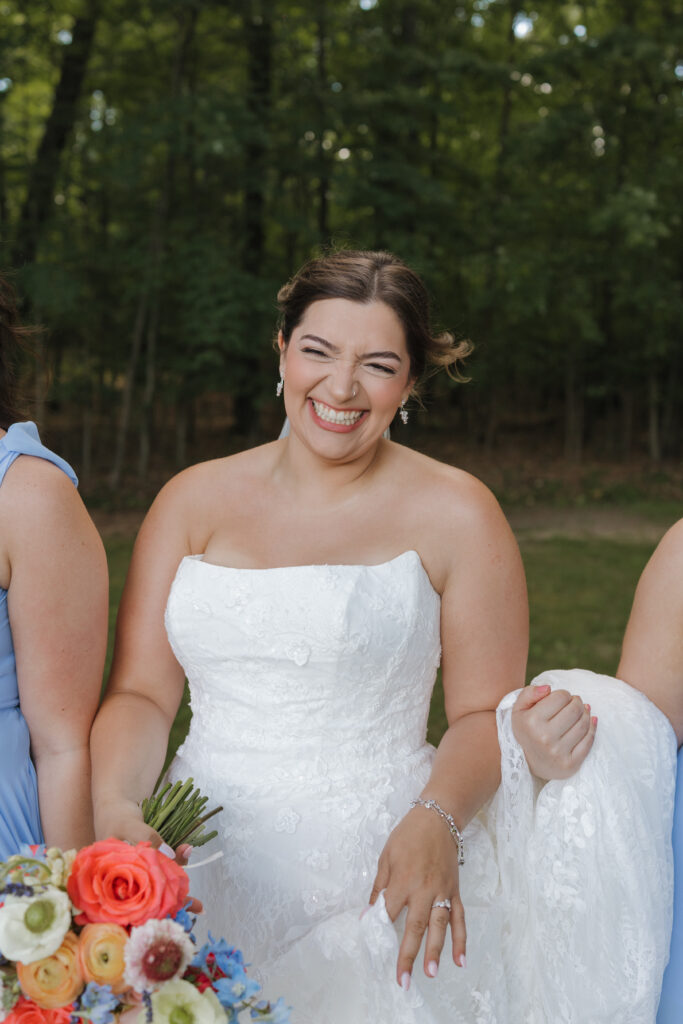
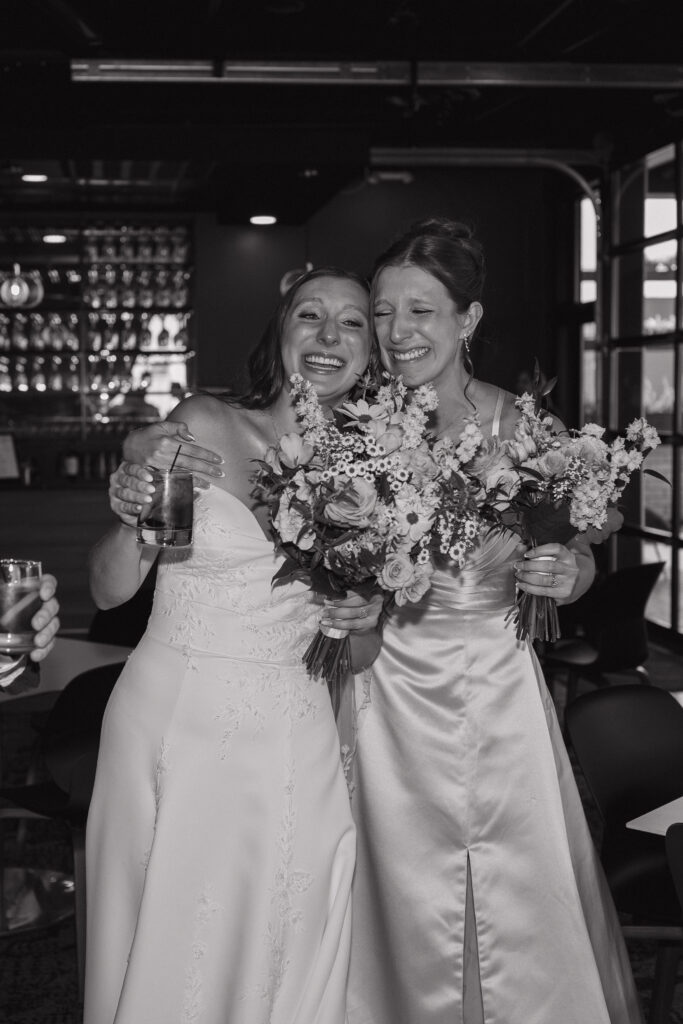
There is time to laugh with your wedding party.
There is time to sit with your parents before the ceremony.
There is time to soak in the excitement instead of feeling like you’re constantly watching the clock.
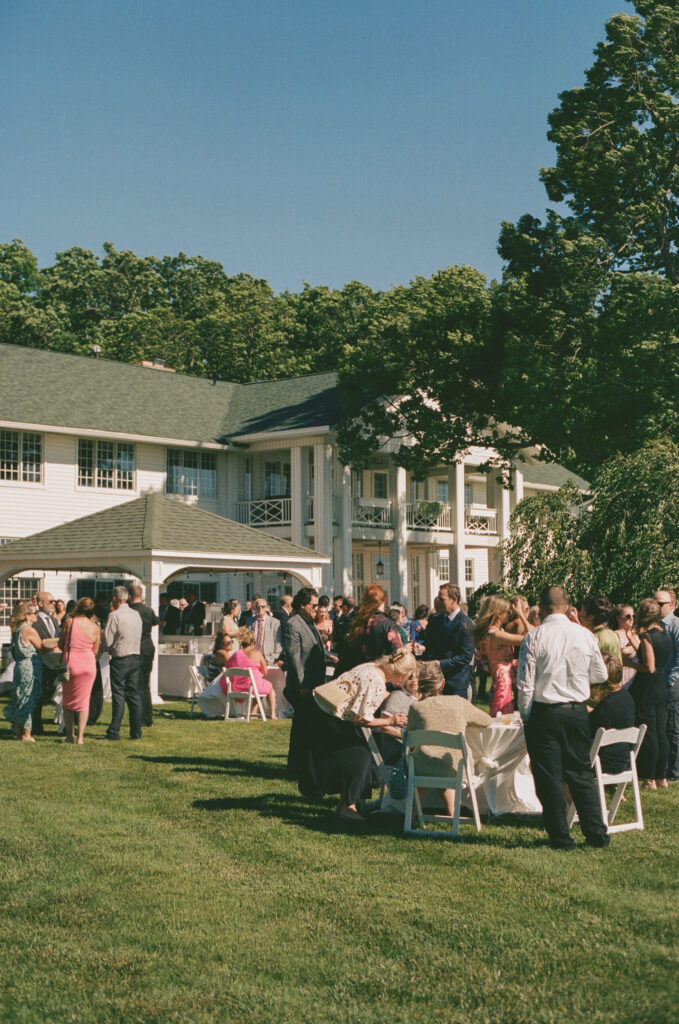
And as your candid style wedding photographer, some of the most meaningful images often come from those unscripted moments.
So How Many Hours of Wedding Photography Coverage Do You Actually Need?
The better question might be:
How do you want your wedding day to feel?
If you’re planning a streamlined wedding day with one location, a first look, and minimal travel, 8 hours may be exactly what you need.
If you’re planning a larger celebration, multiple locations, additional traditions, or simply want more flexibility throughout the day, 10 hours may provide the breathing room you’re looking for.
Neither option is better.
They’re simply designed for different experiences.
Creating a Wedding Day That Feels Like You
At the end of the day, choosing between 8 hours and 10 hours of wedding photography coverage is not about maximizing the number of photographs you receive.
It’s about creating a wedding day experience that allows you to be present.
Because years from now, you probably won’t remember exactly what time portraits started.
You’ll remember how it felt when your partner saw you for the first time.
You’ll remember the hugs, the laughter, the happy tears, and the moments you never expected.
Those are the moments worth making space for.
If you’re looking for a Grand Rapids wedding photographer who will help you build a timeline that feels relaxed, intentional, and true to your wedding day, I’d love to connect. Together, we’ll create a photography timeline that supports your experience, protects the moments that matter most, and allows you to be fully present from beginning to end.